An alpine hotel booking page is a small piece of theatre. There is the balcony photograph at golden hour, the word "cosy" in the description, and then, twenty lines further down in a smaller font, the details that decide how your week actually goes: whether dinner is included, whether the boot room is heated, whether the "free shuttle" stops running at six in the evening. Two hotels can advertise the same nightly rate and deliver very different holidays. What follows is how to read the page in the order that matters, and what to check before you reach for your card.
The headline price is a marketing figure. It is usually the lowest rate of the season, in the smallest room, on the least popular dates. None of that makes it dishonest, but it does mean the number you saw is rarely the number you will pay.
In Italy, Austria, Germany and much of the Alps, hotel rates are frequently quoted per person, per night, not per room. A figure that looks plausible for a double room can double when you realise it covers one guest. Check the unit before you compare anything.
Then look at what the rate includes. Two properties on the same street can sell "bed and breakfast" and "half board" at similar-looking prices, and the difference over seven nights is real money — and real evenings spent deciding where to eat. Also look for the conditions buried under the calendar: minimum stays of a week, Saturday-to-Saturday arrival in high season, a supplement for a short break, a single-occupancy surcharge.
Finally, find the line about local tourist tax. In many mountain towns it is charged per person per night, collected at the hotel, and not included in the online total. It is modest, but it is not nothing over a fortnight, and it is often expected in cash.
Half board normally means breakfast plus dinner. Full board adds lunch. In a remote valley where the nearest restaurant is a twenty-minute drive on a snowy road, half board is genuinely good value. In a village with a dozen good kitchens, it can feel like a commitment you did not intend to make.
Either way, the label alone tells you little. These are the questions worth asking before you book:
"Heated boot room" is the phrase to look for. Cold plastic boots at half past seven can set the tone for the whole day, and a proper drying room is worth more than a decorative fireplace in the lounge.
Ask where the storage actually is. A ski room inside the hotel is not the same as a rack in a garage across the road, and it is certainly not the same as carrying skis up two flights because the lift is out of order. Ask whether there is space for wide skis and boot bags, whether there is a bench to sit on, and whether the room is locked overnight.
Treat "ski-in, ski-out" as a claim to verify on a satellite map rather than a promise. Sometimes it means the piste is genuinely at the door. Sometimes it means a short walk, a road crossing, and a set of steps in hard boots. Check the distance to the nearest lift on the map, not in the description, and ask whether the hotel runs a shuttle — then ask what hours it runs and whether it stops for lunch.
In summer the same questions apply to bikes: is there a locked room, can e-bikes be charged overnight, and is there somewhere to wash mud off before you wheel a bike through the lobby. If you drive, check the garage height limit. A roof box and a low alpine car park are a bad combination.
Booking pages are often vague here, which is a shame, because arrivals are where good holidays go sideways. Establish first what kind of transfer it is: a private car, a shared shuttle that waits for other flights, the hotel's own minibus, or a train followed by a taxi. The price may be per person or per vehicle, and the difference is significant for a family of four with ski bags.
Then confirm the practical details in writing, by email, with your flight number and arrival time:
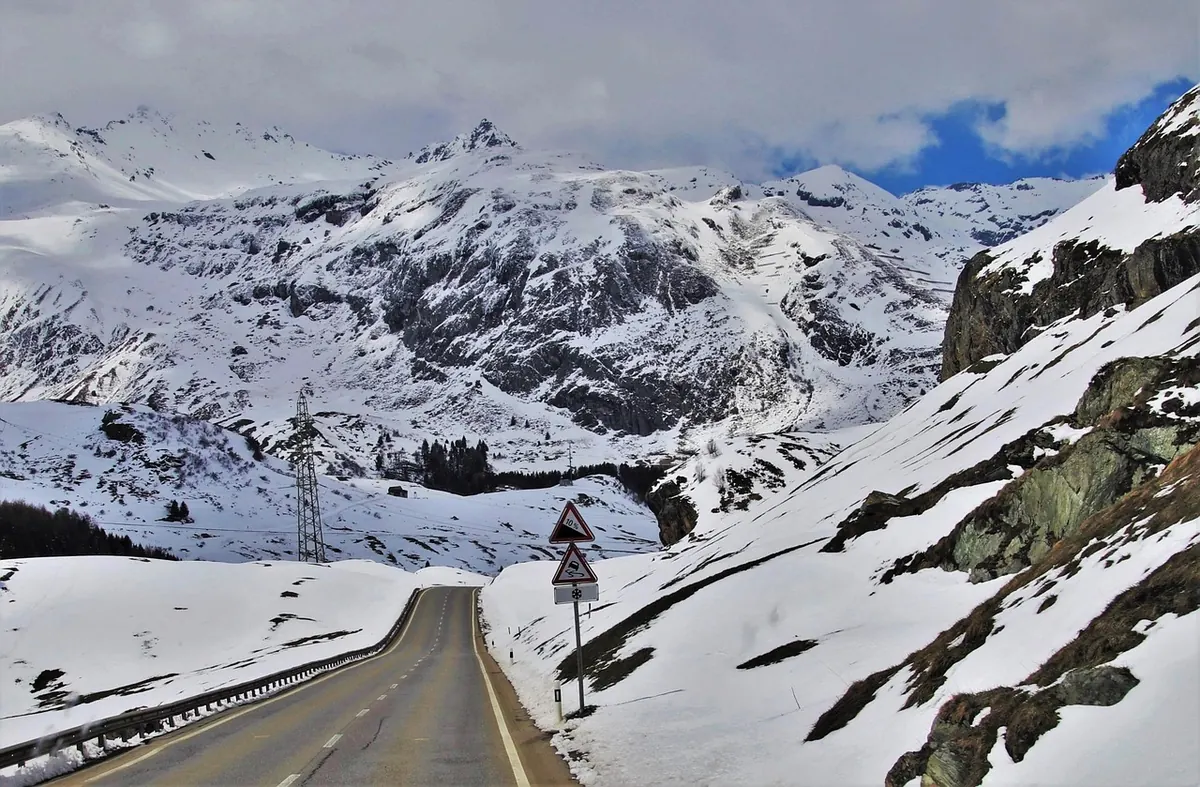
If you are driving yourself, check local winter equipment rules before you travel — requirements for winter tyres and snow chains vary between countries and even between roads, and mountain passes close in bad weather. Many alpine villages restrict cars in the centre, with parking on the edge of town and a short shuttle in. Knowing that in advance turns a stressful arrival into a routine one. Where a transfer is part of a package rather than a separate booking, the terms can differ, so keep the confirmation and ask the provider to spell out what is covered.
Read the cancellation policy as carefully as the price, and put the free-cancellation deadline in your calendar the moment you book it. Policies often tighten for peak dates, and a deposit may be refunded, held as a credit, or not returned at all. Check what happens if you arrive a day late or leave early — many properties charge for the nights you do not use.
Then scan for the extras that appear at checkout rather than on the rate card: tourist tax, parking, pets, spa or sauna access, a cleaning fee and linen charge on apartments, cots and extra beds, late checkout. None of these is a trick on its own, but together they can change the ranking of two hotels you thought were equivalent.
Cancellation and consumer rules differ from country to country, and package bookings can carry different protection from independent ones. If a lot of money is at stake, ask the property to confirm the key terms by email and, where it matters, take local advice.
Most of the disappointments people describe about alpine hotels are not failures of hospitality. They are mismatched expectations, created by a booking page that was read too quickly. Ten minutes with the rate conditions, the meal details and the cancellation terms will tell you more about your week than any gallery of sunlit balconies.
And if something is not on the page, ask. Small mountain hotels tend to answer emails personally — quickly in June, more slowly in February, so send the question early. A short reply about dinner times, boot warmers and the shuttle schedule is worth more than another photograph.
Photo: palacioerick / Pixabay